Mansion vs Estate: Features of Luxury Properties
by Windermere Staff
Mansion vs Estate
If there’s one thing that’s clear about a mansion or an estate, it’s that they’re not your average houses. But what differentiates the two? Are the two terms interchangeable? Mansions and estates actually each have separate characteristics that give them their special classification. Understanding a bit more about what makes them special can help inform your discussions with your real estate agent when looking for a luxury property of this class.
What defines a house as a mansion?
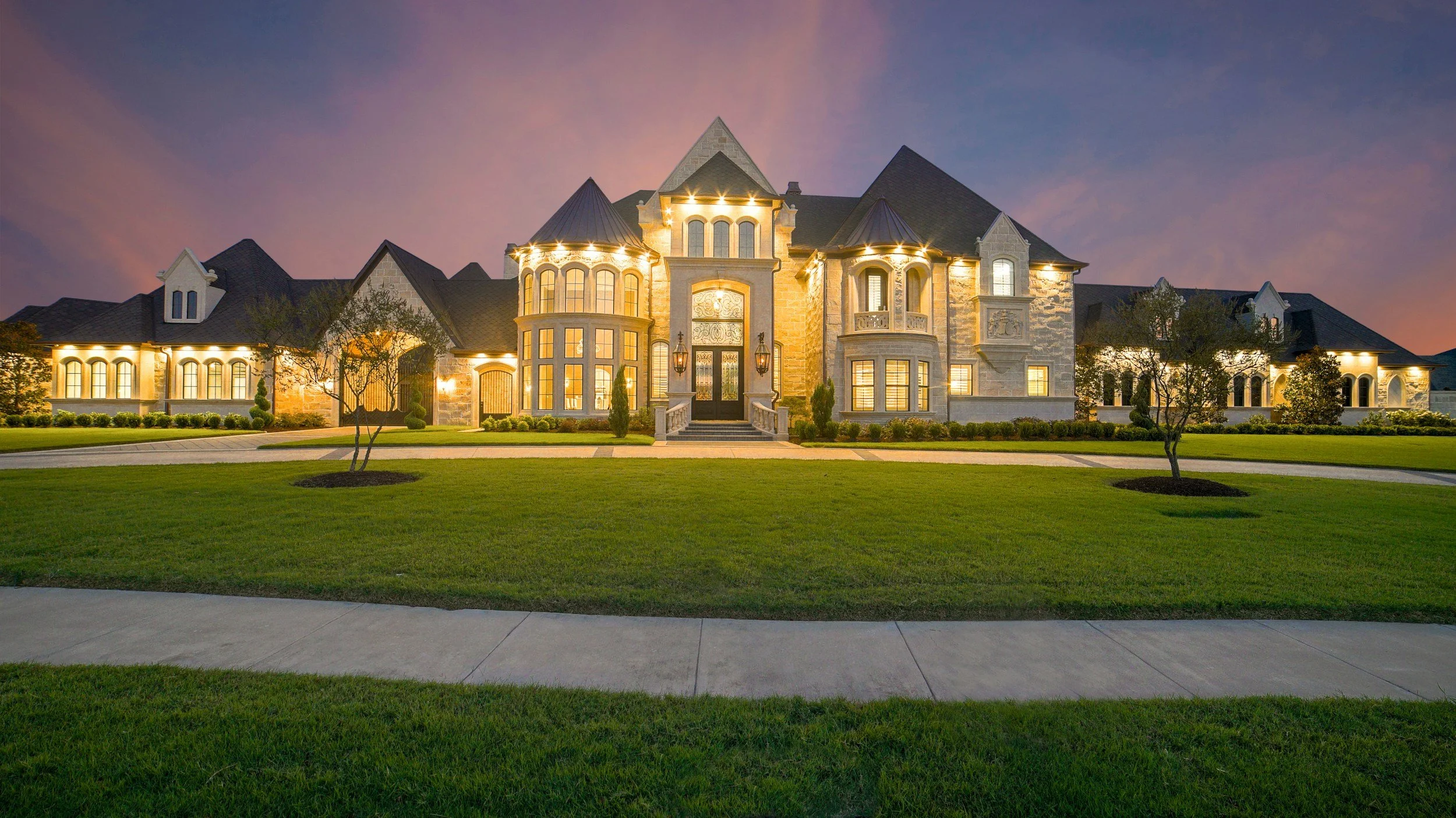
Mansions typically have a larger footprint than regular houses. Added square footage is a hallmark of mansions where the land allows, but a lesser-square-footage property may also qualify as a mansion in areas where space is limited based on its luxuriousness. Which properties qualify as mansions varies by location.
Mansions deal in excess by nature. Accordingly, these properties will have a greater number of bedrooms and bathrooms than what you’d see in a typical single-family home.
They’ll have rooms designed and built for a specific activity or function. For example, it’s common for mansions to have a game room, an indoor sauna or pool room, a home theater, or even a small bowling alley. These properties are the ideal living situation for homeowners who love to entertain. Elsewhere on the property, a mansion may boast any combination of sport courts, pools, gardens, and multiple-car garages.
In terms of their architectural style, many mansions borrow from older design styles to incorporate a sense of grandeur and prestige. The Victorian architectural style lends itself well to mansions while capturing that classic old-world charm. You may recognize Spanish Revival style homes sold by celebrities on the West Coast, and Colonial style mansions on the East Coast. Modern home designs will often incorporate cutting-edge smart home technology, smart home upgrades, and sustainable home design features such as solar power.